Train Through It: Exercise and Prostate Cancer
Exercise is now part of good prostate cancer care. It helps with tiredness, side effects of hormone therapy, mood and strength.
MEN Editorial
25 Jun 2026 · 2 min read
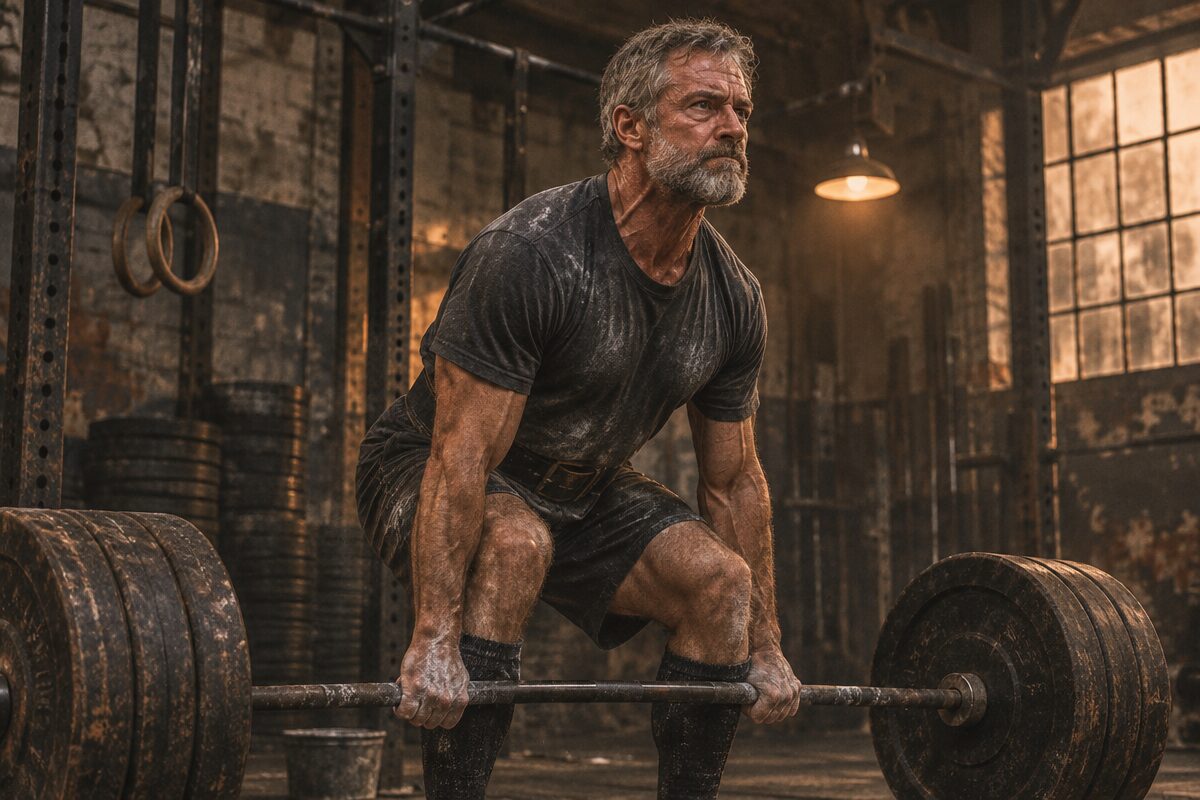
Not long ago, men with cancer were told to rest. That advice has flipped. For men with prostate cancer, regular exercise is now recommended as part of care, and the evidence for it is strong.
Why it matters
Many men with prostate cancer get hormone therapy, also called androgen deprivation therapy. It works by cutting testosterone, which fuels the cancer. It also brings side effects: tiredness, muscle loss, weight gain around the middle, weaker bones and a higher risk of heart disease.
Exercise directly counters many of these. Trials show that supervised exercise in men on hormone therapy can:
- Reduce fatigue
- Maintain muscle strength and physical function
- Improve quality of life
- Help control weight and support heart health
Muscle is medicine, especially when hormone therapy is trying to take it away.
What to aim for
General guidance for cancer survivors follows the same targets as for everyone:
- At least 150 minutes of moderate activity a week, such as brisk walking or cycling
- Strength training on at least two days a week, working the major muscle groups
- Some balance work as you get older, to protect against falls
If that sounds like a lot, start small. Ten-minute walks count. Build up over weeks.
Strength work is non-negotiable
Resistance training is the best tool you have against the muscle and bone loss caused by hormone therapy. Use weights, machines, resistance bands or your own body weight. Squats, presses, rows and step-ups are a good start.
Safety first
- Talk to your care team before starting, especially if cancer has spread to your bones
- Ask about a referral to a physiotherapist or a cancer exercise programme
- Stop and get advice if you have new bone pain, chest pain or breathlessness
Bonus benefits
Exercise improves sleep and mood. It may also help with the hot flushes many men get on hormone therapy. Research continues into whether exercise can slow the cancer itself, but the benefits to how you feel are already clear.
Sources
- Campbell KL et al. Exercise Guidelines for Cancer Survivors: Consensus Statement. Medicine and Science in Sports and Exercise, 2019
- Prostate Cancer UK: Physical activity
- Irish Cancer Society: Exercise and cancer
Not medical advice. This information is for education only. Talk to your doctor about your own health, symptoms and screening.
Got a story of your own?
Write a post