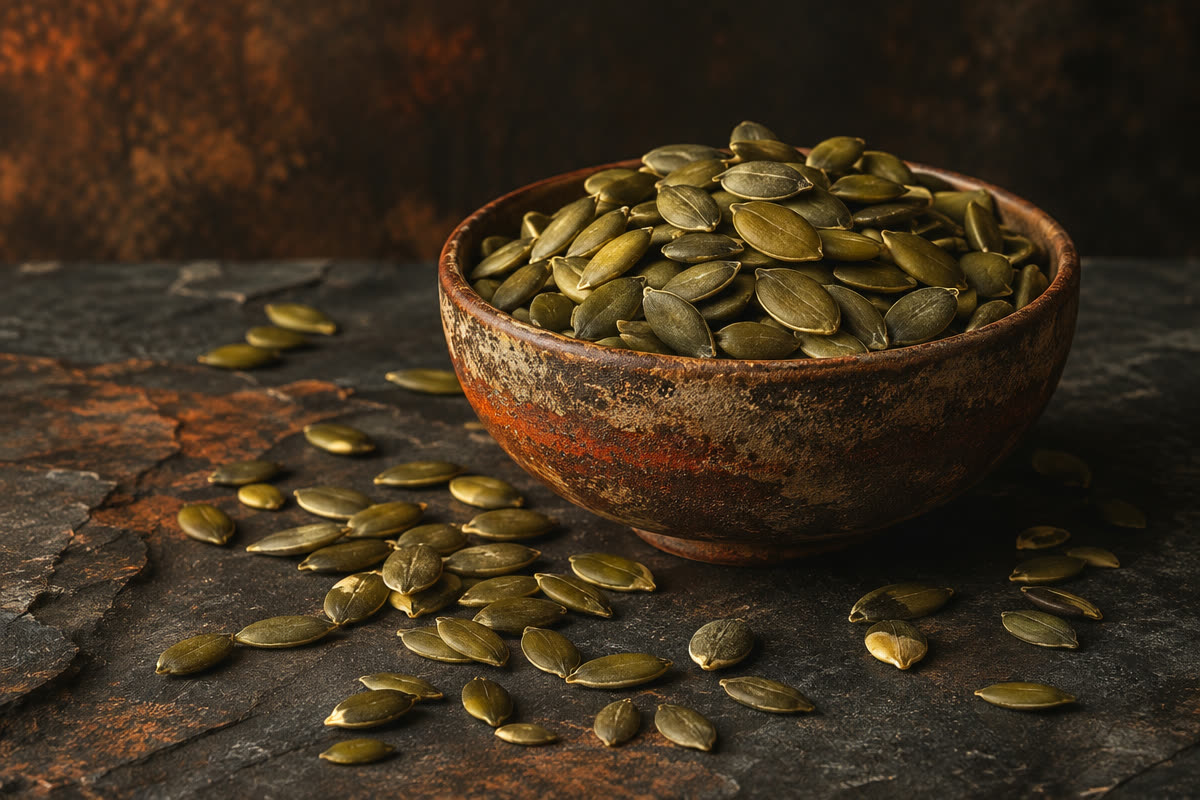
| Zinc | Highly concentrated in the prostate; supports testosterone, sperm and immunity. | 11 mg | Oysters, beef, pumpkin seeds, chickpeas | Upper limit 40 mg/day; long-term high doses may be harmful. |
| Selenium | Antioxidant that helps protect cells from damage. | 55 mcg | Brazil nuts, fish, eggs, whole grains | Upper limit 400 mcg. Supplements did not prevent prostate cancer (SELECT). |
| Vitamin D | Supports healthy cell growth, bones, muscles and mood. | 15 mcg (600 IU); 20 mcg over 70 | Sunlight, oily fish, egg yolks, fortified foods | Low levels are common in northern countries in winter. |
| Vitamin E | Antioxidant found in nuts and seeds. | 15 mg | Almonds, sunflower seeds, spinach, vegetable oils | Supplements raised prostate cancer risk by 17% in SELECT. Get it from food. |
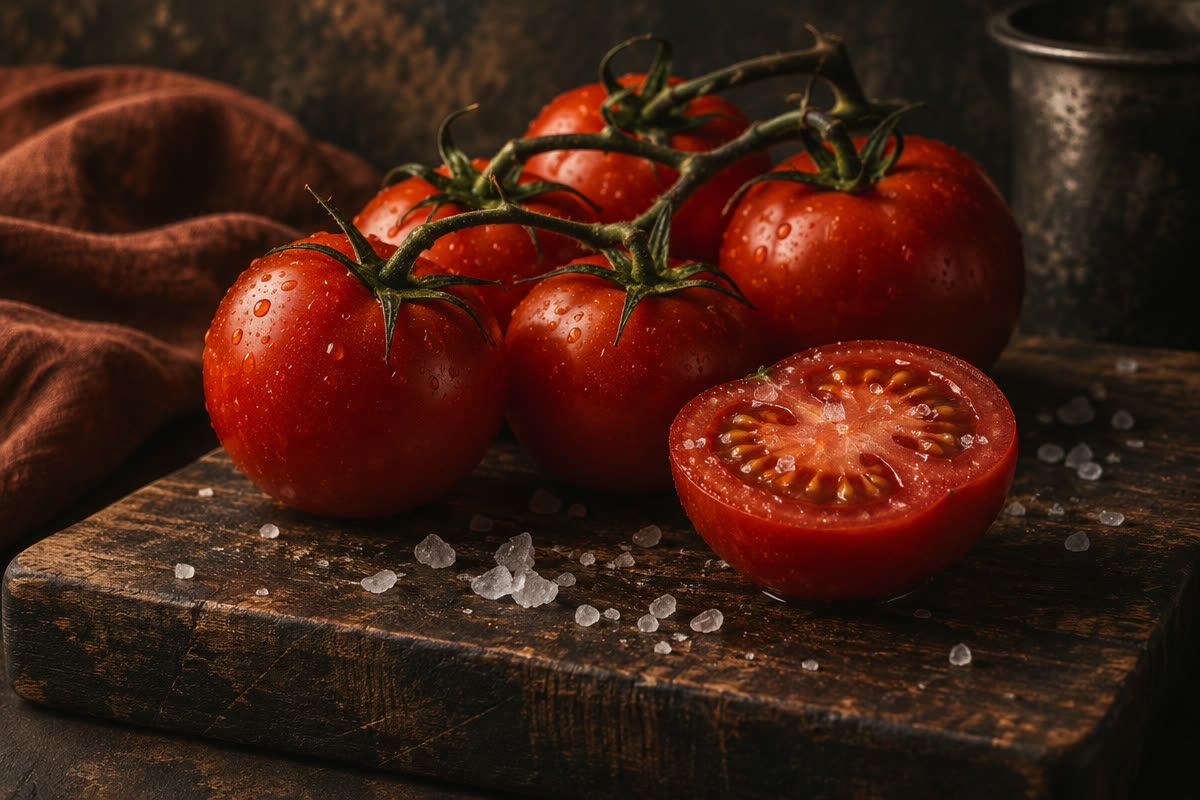
| Lycopene | Plant pigment linked with lower prostate cancer risk. | No official amount | Cooked tomatoes, watermelon, pink grapefruit | Food sources are preferred over supplements. |
| Omega-3 | Supports heart health, inflammation balance and the brain. | 1.6 g ALA; oily fish 2× a week | Salmon, sardines, walnuts, flaxseed | Prostate evidence is mixed; heart benefits are clearer. |
| Magnesium | Muscle and nerve function, sleep, blood pressure. | 400–420 mg | Leafy greens, nuts, seeds, beans, whole grains | High-dose supplements can cause diarrhoea. |
| Folate | Cell repair and healthy blood. | 400 mcg DFE | Leafy greens, beans, lentils, asparagus | Get it from food; very high-dose folic acid isn't recommended without reason. |