The Art of the Power Nap
A short nap can sharpen your focus and lift your mood. A long one can leave you groggy and wreck your night. How to nap well.
MEN Editorial
10 Jul 2026 · 1 min read
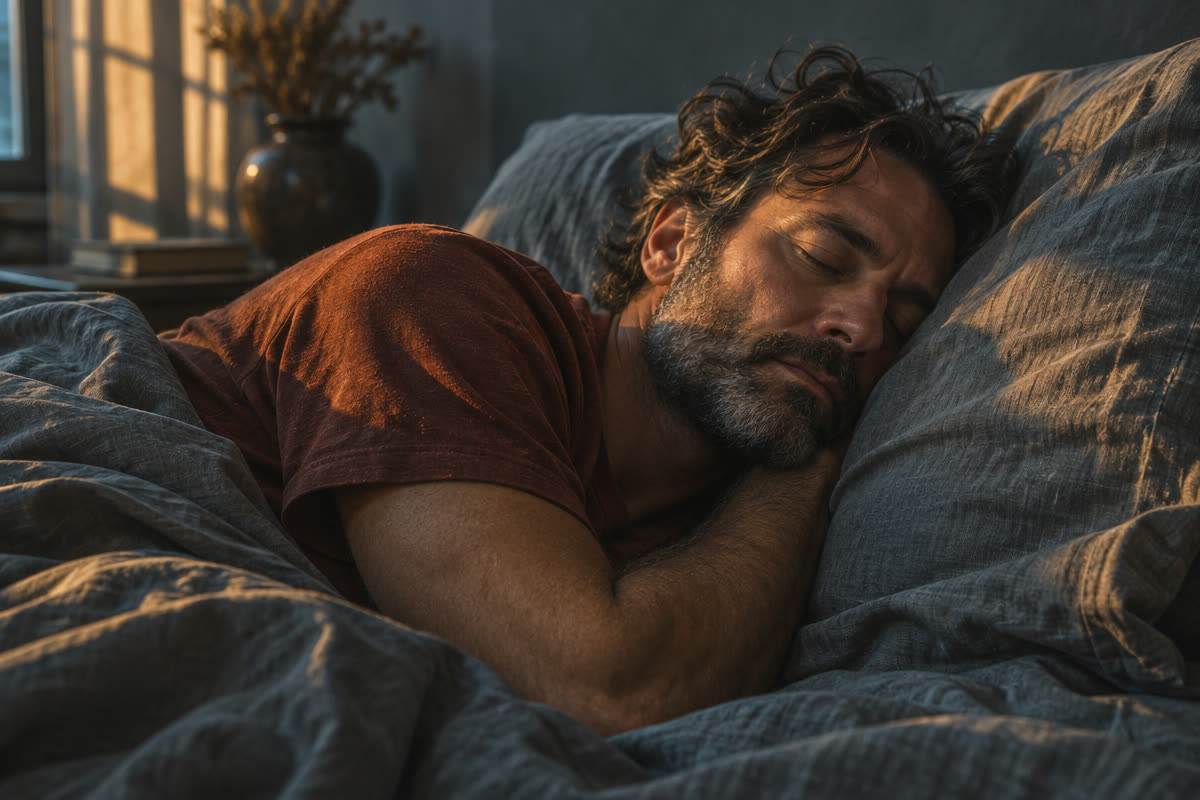
Napping has an image problem. It's seen as lazy. But research, including work done for pilots, shows that a well-timed short nap improves alertness and performance.
The sweet spot
- 10 to 20 minutes: the classic power nap. You stay in light sleep, so you wake feeling refreshed
- 30 to 60 minutes: you may enter deep sleep and wake groggy, a feeling called sleep inertia
- 90 minutes: a full sleep cycle. You may wake refreshed, but it can affect night-time sleep
Set an alarm. A power nap that turns into a two-hour sleep isn't a power nap.
When to nap
The best time for most people is early afternoon, around 1pm to 3pm, when there's a natural dip in alertness. Napping later in the day can make it harder to fall asleep at night.
The coffee nap
Some people drink a coffee just before a 15 to 20 minute nap. Caffeine takes about 20 minutes to kick in, so you wake as it starts working. Small studies suggest it beats either alone, but avoid it in the late afternoon.
Who should nap
- Shift workers, before a night shift
- Anyone driving long distances who feels drowsy
- People who had a poor night and need to get through the day
Who should be careful
If you have insomnia, daytime naps can reduce sleep pressure and make nights worse. Skip them while you work on your night-time sleep.
A warning sign
Needing to nap every day despite sleeping seven to nine hours at night isn't normal. It can be a sign of sleep apnoea, depression or another health problem. Talk to your GP.
Sources
- Rosekind MR et al. Alertness management: strategic naps in operational settings. Journal of Sleep Research, 1995
- Sleep Foundation: Napping
- Hayashi M et al. The alerting effects of caffeine, bright light and face washing after a short daytime nap. Clinical Neurophysiology, 2003
Not medical advice. This information is for education only. Talk to your doctor about your own health, symptoms and screening.
Got a story of your own?
Write a post